Top 5 Winter Driving Mistakes That Lead to Collisions (and How to Avoid Them)
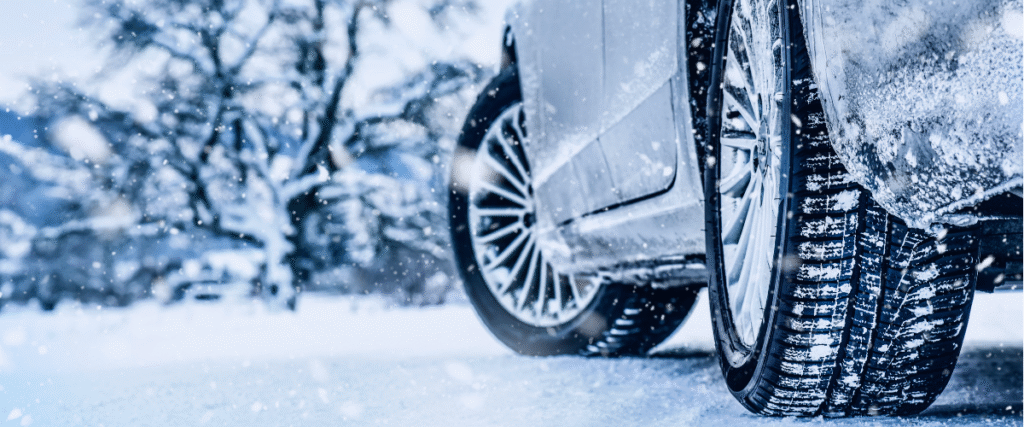
Winter driving presents a unique set of challenges—icy roads, reduced visibility, and unpredictable conditions all raise the risk of collision. According to the Federal Highway Administration (FHWA), over 24% of weather-related crashes occur on snowy, slushy or icy pavement, and about 15% happen during active snowfall or sleet. With that in mind, this guide outlines the top five winter driving mistakes that frequently lead to collisions, and offers practical strategies you can use to avoid them and stay safe all season.
1. Driving Too Fast for Conditions
One of the most common—and most dangerous—errors in winter is failing to adjust your speed for slippery surfaces. On snow- or ice-covered pavement, traction drops significantly, and your stopping distance grows longer. A study found that on non-first snow days the rate of non-fatal injury crashes increased by ~24% compared to dry days. Even though some drivers believe winter hazards only affect visibility, the reality is that speed and low friction are major contributors to winter collisions.
When you drive too fast for conditions you reduce your margin for error. A corner appears sooner than expected, or the vehicle ahead begins braking—and you simply don’t have enough grip or time to respond. To avoid this mistake:
- Reduce your speed below posted limits when roads are snow-covered or icy.
- Increase your following distance, giving you more time to react.
- Be especially cautious on bridges and shaded areas—they freeze sooner than open roads.
By making these adjustments, you give yourself more time to respond and more control over your vehicle in winter conditions.
2. Following Too Closely (Tailgating)
Tailgating is risky anytime—but in winter conditions it becomes especially hazardous. Because braking distance can double or more on snow or ice compared to dry pavement, what would be a safe 2-second buffer in good weather might be insufficient when roads are slick. Legal and safety professionals alike point out that “following too closely” is a top factor in winter collisions.
When traffic ahead slows or stops, drivers who are too close may not have enough distance or traction to avoid a rear-end collision. This risk is compounded when visibility is reduced (snowfall, fog) or when drivers assume AWD or four-wheel drive gives them an automatic advantage (it doesn’t). To mitigate this mistake:
- Extend your following distance to at least 4-6 seconds (or more) under slick conditions.
- Anticipate braking ahead—watch for brake lights early and begin decelerating gently.
- Avoid relying on driver assists alone; expect the possibility of skids or longer stopping distances.
This extra space gives you more reaction time and traction buffer, significantly reducing collision risk in winter.
3. Improper Vehicle Preparation & Maintenance
Many winter collisions are not just caused by the weather—they’re caused by drivers who aren’t prepared for the weather. Inadequate tires, worn brakes, frozen windshield wipers, and low windshield washer fluid all degrade your ability to handle winter driving safely. Sources list mechanical decline as a key winter-accident contributor.
When your tires lack sufficient tread depth or your brakes are worn, the margin for control evaporates in demanding conditions. For example, black ice or a slushy patch can catch you off guard. To avoid this mistake:
- Check tire tread depth and pressure regularly—cold weather can reduce tire pressure significantly.
- Switch to winter or all-season tires rated for snow if you live in snowy regions.
- Ensure brakes and brake pads are inspected and working properly before winter sets in.
- Use proper washer fluid and maintain clear visibility by keeping windows and mirrors free of ice and snow.
By prepping your vehicle for winter conditions, you’re proactively reducing the likelihood of a weather-related crash.
4. Misjudging Visibility and Road Conditions
Winter means more than snow—it means reduced visibility, slush, drifting snow, early darkness, and hidden hazards like black ice. Many drivers underestimate how these factors interact to increase collision risk. For instance, snow days have been shown to produce higher rates of non-fatal injury crashes, even if fatal crashes decrease slightly.
When you can’t clearly see the road or what’s ahead, your reaction and decision-making time shrink. A curve, a stopped vehicle, or a patch of ice might come into view too late. To avoid misjudging conditions:
- Slow down further when visibility is low (snowfall, drifting snow, early nightfall).
- Use your headlights and fog lights appropriately to enhance visibility to others and yourself.
- Avoid overconfidence in four-wheel or all-wheel drive: these help accelerate but don’t stop you faster on ice.
By adjusting how you drive in low-visibility or tricky road-surface situations, you give yourself better control and more time to respond.
5. Overconfidence in Equipment and Not Adapting to the Conditions
Modern vehicles come with many advanced features: anti-lock brakes, traction control, all-wheel drive, electronic stability control. However, overconfidence—believing those technologies mean you can drive as if conditions were normal—is a common mistake. Many drivers assume AWD or winter tires mean they’re immune to sliding or collisions—when in fact control is still limited by condition.
When you trust your vehicle’s hardware too much, you may fail to adjust your driving style to the conditions. For example: entering a curve at a pre-winter speed, assuming ABS will bail you out, or accelerating too quickly on a damp lane. To avoid this mistake:
- Respect the conditions, regardless of your vehicle’s capabilities.
- Drive as if you do not have the extra tech—treat traction and braking like a less-capable vehicle.
- Flatten your inputs: accelerate and brake gently, and steer smoothly.
By recognising that equipment assists are not a substitute for good driving judgment, you stay safer in winter.
Key Winter Driving Statistics
Here’s a table summarising important data to underline why these mistakes matter:
| Statistic | Value |
| Percentage of vehicle crashes that occur due to winter weather | ~17% |
| Percentage of weather-related crashes on icy/slushy/snowy pavement | >24% |
| Annual deaths due to icy or snowy road conditions | ~1,836 |
| Increase in non-fatal injury crash rate on snow days vs dry days | ~23-24% |
These numbers highlight the elevated risk winter conditions pose—and how avoiding the mistakes above makes a real difference.
Practical Pre-Winter Checklist for Drivers
Before the winter season hits, use this checklist to make sure your vehicle and mindset are ready:
- Inspect tire tread depth and consider switching to winter-rated tires if your region has regular snow or ice.
- Confirm brake pads and rotors are in good condition; ensure ABS and traction-control systems show no warning lights.
- Replace windshield wipers with winter blades, fill washer fluid with freeze-resistant formula, and keep your windows/ mirrors clear.
- Check that your vehicle’s lights (headlights, fog lights, brake lights) are clean and functioning—visibility counts.
- Keep an emergency kit in your vehicle: small shovel, ice scraper, flashlight, blanket, snacks, and a fully charged phone.
- Adjust your driving mindset: slow down, leave extra space, avoid abrupt manoeuvres, and remember that your AWD or ABS doesn’t negate winter risk.
These steps help you minimise the probability of committing one of the top driving mistakes and elevate your preparedness for winter.
How to Apply These Lessons on the Road
Here’s how to translate the advice into real-world driving behaviour:
- Approach each winter-condition drive assuming conditions are worse than they appear. If a road looks only lightly covered, treat it as if it’s slick.
- When you see tail lights ahead—in snow or slush—begin reducing speed early rather than reacting late. The extra buffer makes more of a difference than a tech feature.
- When visibility is low or roads are shaded/frozen, reduce speed significantly and avoid sudden lane changes or aggressive steering.
- If you feel your vehicle begin to skid: ease off the throttle, steer gently in the direction you want to go, and avoid slamming on the brakes—especially if you don’t have ABS or the system is compromised by ice.
- After driving through a snowy/slushy patch, check your side mirrors or rear-view mirror for ice build-up and give yourself a moment to ensure you have clear visibility.
By actively adapting your driving style to the environment—rather than relying solely on vehicle capability—you dramatically reduce your collision risk.
Drive Smart and Trust Seiner Collision for Repairs
Winter conditions amplify every driving error. Speeding, tailgating, poor preparation, low visibility, and overconfidence in technology collectively cause thousands of collisions every winter. Yet, nearly all of them are preventable.
By slowing down, maintaining your vehicle, and respecting road conditions, you significantly reduce your crash risk. Your vigilance—not your vehicle’s technology—is your greatest safety feature.
However, even the most careful drivers can encounter accidents beyond their control. When that happens, trust Seiner Collision Center to restore your vehicle to factory standards. Their certified technicians use advanced repair technology,and precision paint matching to ensure your car looks and performs like new.Whether it’s a fender-bender from a slick road or more extensive winter damage, Seiner Collision delivers expert craftsmanship and customer care that put your safety first. Stay cautious on the roads this winter—and know that Seiner Collision is here when you need them most.