Why Winter Is the Most Important Time to Check Your Vehicle’s Safety Features
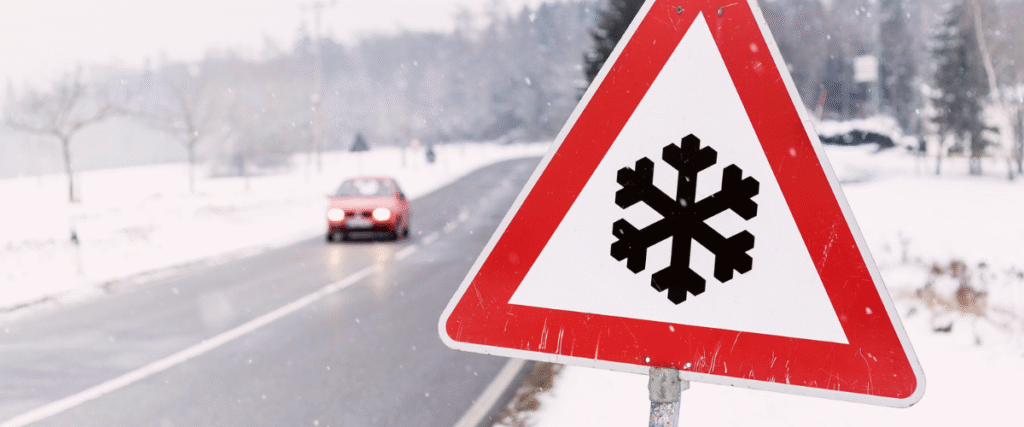
Winter in Utah brings snow-covered roads, icy conditions, and unpredictable weather. While the scenery is beautiful, it also makes driving more dangerous than any other time of year. Every winter, drivers across Salt Lake City, South Jordan, and the surrounding areas find themselves dealing with fender benders, accidents, or unexpected breakdowns. That’s why winter is the most important season to check and maintain your vehicle’s safety features.
At Jerry Seiner Collision Center, we see firsthand how winter conditions test the limits of cars, trucks, and SUVs. Small issues that might go unnoticed in the summer—like worn tires or a cracked windshield—can quickly become major safety risks when temperatures drop and roads turn slick. Taking the time now to ensure your vehicle’s safety features are ready for the season not only keeps you and your family safe but can also save you costly repairs down the road.
The Role of Safety Features in Winter Driving
Modern vehicles are equipped with advanced safety systems designed to prevent accidents and protect you when the unexpected happens. However, even the most sophisticated technology depends on proper maintenance and driver awareness.
In winter, safety features are pushed to their limits. Features like traction control, anti-lock brakes, forward collision alerts, and lane departure warnings all become essential when visibility drops and the roads are slick. Pair these with basics like working headlights, good tires, and a clear windshield, and you have the tools to navigate winter’s challenges.
But what happens if one of these features fails? A dead headlight can leave you nearly invisible at night in a snowstorm. Worn brakes or bald tires can drastically reduce stopping distances on ice. That’s why winter preparation should always start with a safety feature check.
Safety Features You Should Always Check Before Winter
Here’s a breakdown of the most important safety features to inspect before Utah’s coldest months arrive.
1. Tires and Tire Pressure
- Why it matters: Tires are your only point of contact with the road. In snow and ice, the right tread depth and proper inflation can mean the difference between a safe stop and a slide into traffic.
- What to do: Check tread depth (at least 4/32″ is recommended for winter). Consider winter tires if you live in higher elevations. Also, remember that tire pressure drops in cold weather, so keep them inflated to the manufacturer’s recommended PSI.
2. Brakes and Anti-Lock Braking System (ABS)
- Why it matters: Worn brake pads reduce stopping power, especially on slick surfaces. ABS helps prevent wheels from locking up, giving you more control during sudden stops.
- What to do: Have your brakes inspected for pad thickness, rotor condition, and fluid levels. Make sure your ABS warning light isn’t on.
3. Windshield Wipers and Auto Glass
- Why it matters: Visibility is one of the biggest winter hazards. A cracked windshield can worsen in freezing temps, and worn wipers won’t clear away snow or slush effectively.
- What to do: Replace wiper blades before winter begins and repair chips or cracks in your windshield before they spread.
4. Headlights and Taillights
- Why it matters: Shorter days mean more time driving in the dark. Headlights not only help you see but also make your vehicle visible to others.
- What to do: Check that all exterior lights are working. If they appear dim, clean the lenses or replace bulbs as needed.
5. Traction Control and Stability Control Systems
- Why it matters: These features help prevent skids and loss of control, especially on icy roads.
- What to do: Make sure warning lights aren’t on and have a technician run diagnostics if something seems off.
6. Heating and Defrosting Systems
- Why it matters: Staying warm is critical, but so is keeping your windshield and windows fog-free.
- What to do: Test your defrosters and heater before the first freeze.
Why Winter Magnifies Vehicle Issues
You may wonder, “Why can’t I just put these off until later?” The truth is, winter magnifies every weakness in your vehicle. Cold weather thickens fluids, reduces battery capacity, and worsens small cracks in glass or paint. Add icy conditions, and even a minor maintenance issue can quickly spiral into an accident.
For example:
- A low-tread tire that was fine in September may hydroplane in December slush.
- A small windshield chip may spread across the glass after one night of freezing temps.
- Worn brakes that seemed manageable in fall may double your stopping distance on icy roads.
By being proactive now, you not only avoid emergencies but also extend your vehicle’s lifespan.
Tips for Drivers to Stay Safe This Winter
Along with checking your safety features, here are a few practical tips to help you stay safe during Utah’s winter driving season:
- Slow down: Speeds that feel safe in dry weather can be dangerous on icy or snowy roads.
- Increase following distance: Give yourself extra room to stop—at least 6–8 seconds behind other vehicles.
- Keep an emergency kit: Carry blankets, a flashlight, water, a scraper, and jumper cables.
- Clear all snow from your car: Don’t just scrape the windshield; remove snow from the roof, hood, and lights to avoid blinding other drivers.
How Jerry Seiner Collision Center Helps
At Jerry Seiner Collision Center, we understand how critical these safety checks are—because we see what happens when they’re ignored. From repairing fender benders caused by icy roads to fixing cracked windshields and restoring headlights, our team is here to make sure your vehicle is safe and road-ready.
We proudly serve customers across:
- Jerry Seiner Kia Salt Lake City
- Jerry Seiner GMC North Salt Lake
- Seiner Cadillac Salt Lake
- Seiner Chevy Salt Lake
- Seiner Kia South Jordan
- Seiner GMC South Jordan
With certified technicians, OEM parts, and a commitment to customer care, we provide high-quality repairs and preventative maintenance. We also work directly with insurance companies to make the repair process as smooth as possible.
Final Thoughts: Safety Comes First in Winter
Winter in Utah isn’t just another season—it’s a test of your vehicle’s safety and reliability. By taking the time to check critical features like tires, brakes, lights, and wipers, you’ll be better prepared for the challenges ahead.
At Jerry Seiner Collision Center, our mission is simple: to keep you and your family safe while helping your vehicle look and perform at its best. Don’t wait until you’re stuck on the side of an icy road—schedule your winter safety inspection today and drive with confidence, no matter what the weather brings.