Top 5 Most Dangerous Intersections for Car Accidents in Salt Lake City — and How to Stay Safer
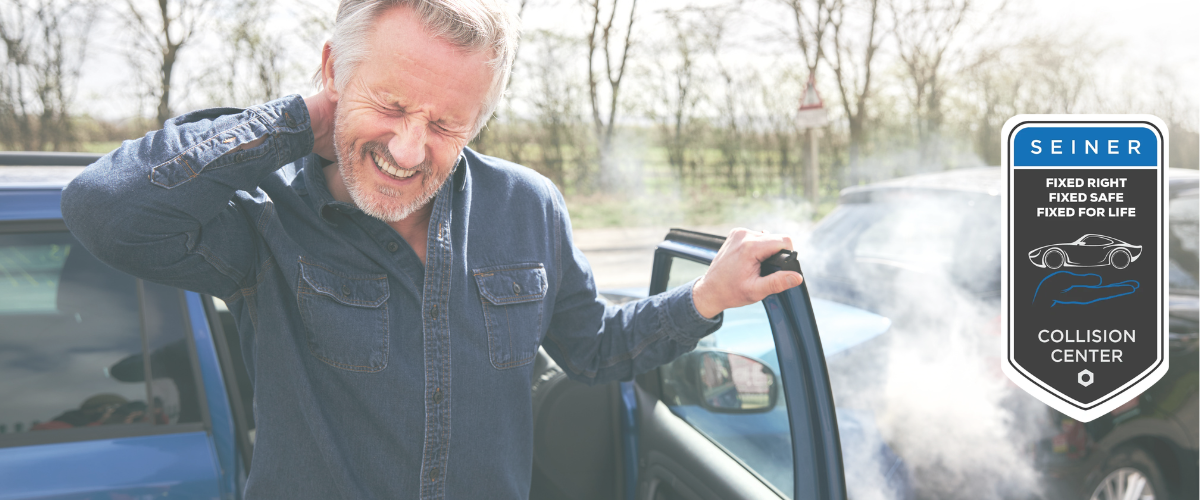
Intersections are where most serious crashes happen in Utah. If you drive in Salt Lake City, knowing the local trouble spots and why they’re hazardous can reduce your risk — and help you react quickly if an accident does happen. Below I’ve identified five intersections repeatedly called out in traffic safety data, local studies, and crash summaries, explained why they’re dangerous, and given practical safety tips. If you do end up in a crash, Jerry Seiner Collision in Salt Lake City is ready to help with fast, professional repairs and insurance-friendly estimates.
Key fact: nearly half of Utah’s crashes occur at intersections — so intersection awareness is one of the best ways to lower your crash risk.
How these five were chosen
I prioritized intersections that appear in official crash summaries, UDOT corridor reports, and local crash roundups (law firms and traffic-safety analyses commonly use multi-year crash datasets to identify hotspots). That combination is practical: it highlights both high-volume corridors and specific crossings that consistently show up in crash lists.
1) Redwood Road (SR-68) & 5400 South
Why it’s dangerous: Redwood Road is a major commercial corridor with many driveways, signalized intersections, and heavy turning movement. The stretch around 5400 South has appeared repeatedly in county and UDOT analyses as one of the highest-crash intersections in the Salt Lake area — a mix of rear-end collisions, angle crashes, and incidents involving pedestrians. High traffic volumes plus frequent left-turn conflicts create frequent vehicle interactions.
What to watch for
- Lots of side-street traffic and sudden lane changes
- High left-turn demand; watch for protected vs. permissive turn phases
- Pedestrians crossing multiple lanes at shopping centers
Safety tip: When approaching Redwood & 5400 S, reduce speed slightly before you arrive, signal early, and assume other drivers may make last-second lane changes. If turning left, wait for the protected arrow when available.
2) State Street (US-89) & 4500 South (Murray / Salt Lake corridor)
Why it’s dangerous: State Street (US-89) is a major arterial that carries through-traffic and local traffic. The intersection near 4500 South consistently appears in statewide crash lists for high crash counts, especially because of high speeds, multiple turning lanes, and heavy commuter flows. Left-turn and right-angle collisions are common at busy State Street nodes.
What to watch for
- Multiple lanes and high speeds; watch for vehicles changing into turn lanes late
- Signals with complex phasing that can confuse unfamiliar drivers
Safety tip: Approach with extra caution during peak hours — gaps close quickly. Maintain safe following distances and avoid last-second lane changes.
3) 700 East & 3300 South (South Salt Lake / Sugar House edge)
Why it’s dangerous: This intersection handles heavy local traffic and commuter flows between east-side neighborhoods and downtown. Historically, this crossing has shown high crash severity because of mixed uses — commuter traffic, parking lot entries, and cross-traffic. UDOT and local traffic analyses have flagged this corridor for high incident severity.
What to watch for
- Frequent pedestrian and bicycle activity near neighborhood commercial strips
- Vehicles turning into and out of side streets and businesses
Safety tip: Be especially cautious of bicycles and pedestrians; reduce speed and scan intersections left and right before proceeding.
4) 400 South & Main Street (Downtown Salt Lake City)
Why it’s dangerous: Downtown intersections combine heavy vehicle flows with buses, light-rail crossings, pedestrians, delivery vehicles, and short signal cycles. 400 South & Main handles commuters and local traffic moving through the urban grid; the complex mix raises the potential for both sideswipe and angle collisions. Legal liability and fault questions can get complicated at downtown intersections.
What to watch for
- Buses making tight turns and frequent curbside stops
- Pedestrians stepping into crosswalks when signals change
- Light-rail vehicle interactions nearby
Safety tip: In downtown traffic, be patient. Avoid blocking crosswalks and intersections on a yellow light — if you can’t fully clear the intersection, wait behind the line.
5) 4100 South & Redwood Road (southern Salt Lake corridor)
Why it’s dangerous: Another Redwood Road crossing, this one near 4100 South, ranks high for crash counts and for collisions involving turning movements. Mixed commercial access points and multiple lane configurations make it a persistent trouble spot identified in local crash mapping and safety studies.
What to watch for
- Confusing lane drops and turn pockets during peak hours
- Sudden queueing and rear-end crashes when signal timing changes
Safety tip: Anticipate queueing during peak times and avoid aggressive lane changes. If you’re unfamiliar with the area, give yourself extra time and take a safer alternate route.
Common risk factors that make intersections dangerous
Across these sites, five consistent causes recur:
- High traffic volumes — more vehicles, more conflict points.
- Frequent turning movements and permissive left-turns, which increase angle-crash risk.
- Multiple access points / driveways (retail corridors like Redwood) that create unexpected conflict points.
- Pedestrian/bicycle interactions — urban and neighborhood intersections often mix vehicles with people on foot or two wheels.
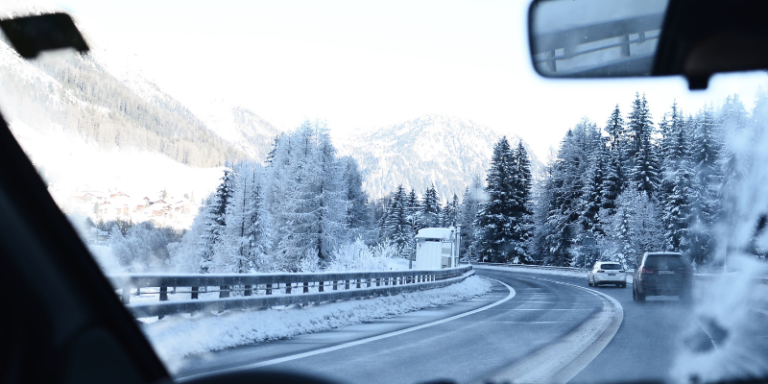
- Adverse weather and elevation — Utah winters and canyon routes can reduce traction and visibility, increasing crash likelihood.
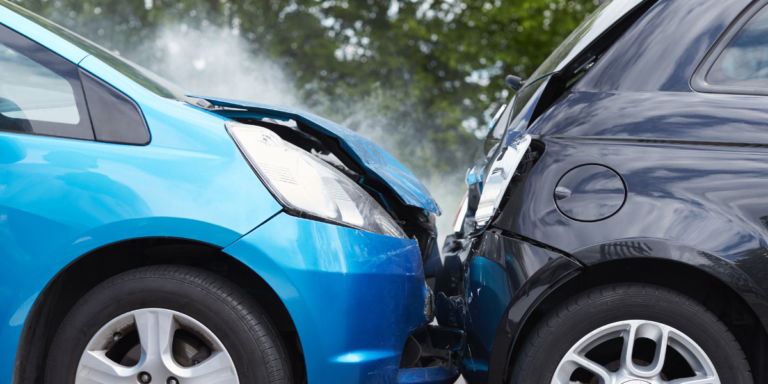
What to do if you’re involved in an intersection crash
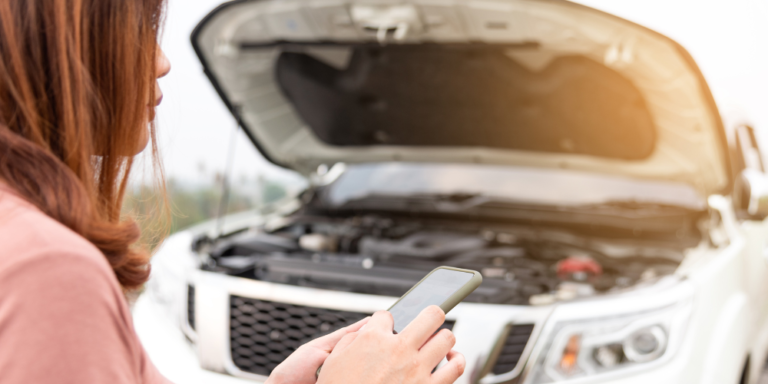
Even careful drivers can be hit. If you’re involved in a crash at one of these intersections:
- Check for injuries — call 911 if anyone is hurt.
- Move to safety if the vehicle is operable and the scene allows (but don’t leave the roadway if it will put others at risk).
- Document the scene — photos of damage, license plates, intersection signage, and skid marks help later.
- Exchange info & gather witness contacts — names, phone numbers, insurance details.
- Report to police when required — an official crash report helps insurance claims and liability determination.
- Contact your collision center early — quick estimates speed repairs and help with insurance coordination.
If you need professional bodywork after a crash, Jerry Seiner Collision in Salt Lake City provides certified repair estimates, direct insurer communication, and OEM-quality parts to restore your vehicle safely and quickly.
How Jerry Seiner Collision helps after intersection crashes
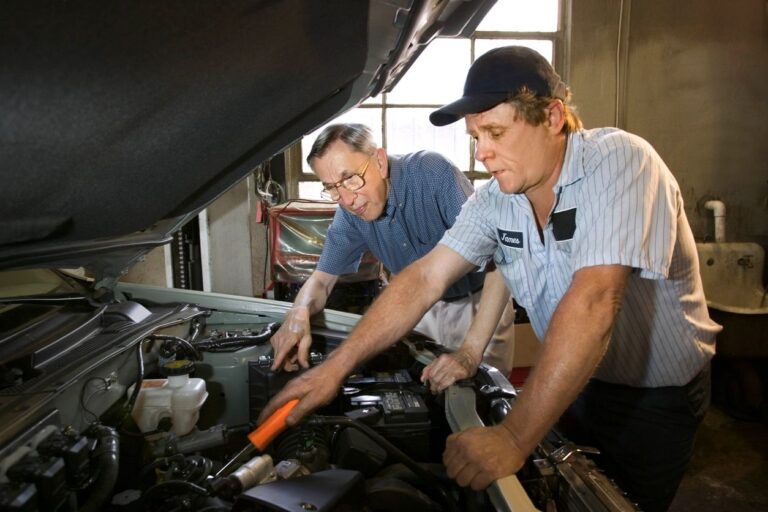
After a crash at any of Salt Lake’s high-risk intersections, the right collision center matters. Jerry Seiner Collision offers:
- Fast, insurance-friendly estimates and direct insurer communication.
- Certified technicians who use factory procedures and OEM parts.
- Frame and structural repair capability for vehicles with severe impact.
- Rental-car assistance and guidance through the claims process.
- Lifetime warranty on certain repairs (ask the shop for details).
We handle the repair logistics so you can focus on recovery and getting back on the road.
Drive safer — quick checklist for high-risk intersections
- Slow down when you approach a busy intersection.
- Eliminate distractions: put phones away until you’re stopped.
- Use turn signals early.
- If the light turns yellow, don’t “race” through — stop safely if you can.
- Watch for pedestrians, bikes, buses, and ride-share pick-ups.
Final note — data and safety improvements keep evolving
Cities and UDOT continuously analyze crash data and implement countermeasures (signal timing changes, protected turn phases, lighting upgrades, and geometric improvements). If you’re a frequent commuter, staying aware of planned improvements helps — and reporting dangerous conditions to local traffic authorities can speed fixes. For the crash statistics and corridor reports that informed this list, see the Utah Highway Safety Office and UDOT project pages, along with recent local crash summaries.
If you’ve been involved in an intersection crash, or just want peace of mind about repairs, reach out to Jerry Seiner Collision — Salt Lake City. Our team will walk you through the repair estimate, handle insurance communication, and restore your vehicle to factory standards so you can drive with confidence again. Call or schedule an appointment online to get started.