Can You Drive Your Car After an Accident? What’s Safe vs. What’s Not
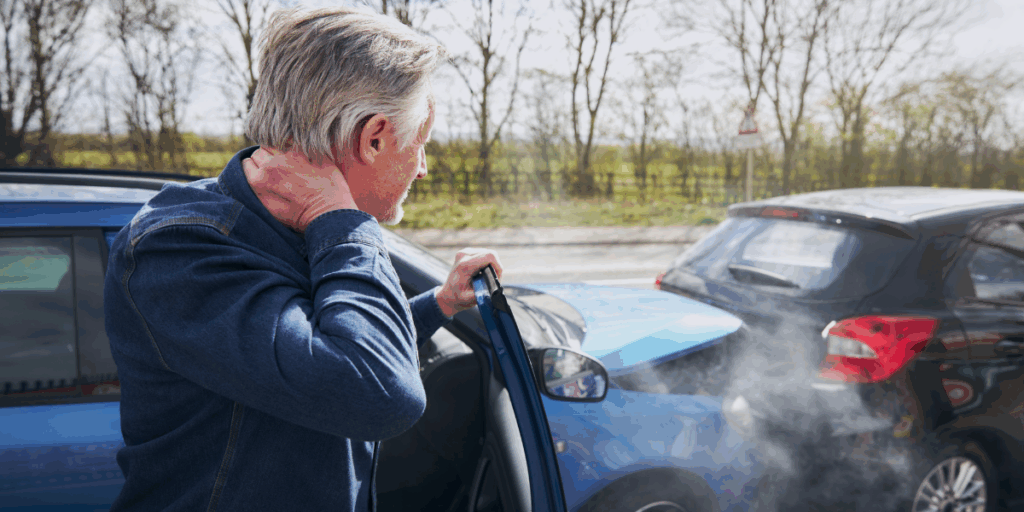
Car accidents are stressful, even when they’re minor. After the initial shock, many drivers ask the same question: “Can I drive my car after an accident?” The answer isn’t always simple. Depending on the severity of the accident, the type of damage, and how your car is performing, driving immediately after a collision may either be safe or dangerous. Understanding the risks, warning signs, and best practices can help protect you, your passengers, and others on the road.
At Jerry Seiner Collision, we help drivers in Salt Lake City assess accident damage, make safe choices, and get back on the road quickly when it’s appropriate. This guide breaks down the factors that determine whether you can drive your car after a collision and when professional inspection is necessary.
Assessing Your Vehicle Immediately After an Accident
Immediately after an accident, it’s important to prioritize safety first. Before considering whether to drive your car, follow these steps:
- Check for injuries – Ensure everyone in your vehicle and any other vehicles involved is unharmed. Call 911 if anyone is injured.
- Move to a safe location – If your car is drivable and it’s safe to do so, move it to the side of the road to avoid traffic hazards.
- Inspect visible damage – Look for obvious damage such as:
- Broken or hanging body panels
- Leaking fluids (oil, coolant, fuel)
- Flat tires or damaged wheels
- Broken lights or windshield cracks
- Check vehicle operation – If the engine starts and the car can move under its own power, proceed cautiously, but continue to monitor performance closely.
Even minor-looking accidents can cause hidden damage that makes driving unsafe. Visual inspection is a first step, but it’s not enough to confirm safety.
When It’s Typically Safe to Drive After a Collision
Certain accidents allow your vehicle to be driven temporarily, often to reach a repair shop or safer location. Indicators that your car may be drivable include:
- Minor cosmetic damage – Scratches, small dents, or loose trim pieces that do not interfere with the car’s operation.
- Functional engine and transmission – The car starts normally, shifts smoothly, and accelerates without unusual noises.
- No fluid leaks – Check under the car for dripping oil, coolant, or brake fluid.
- Operational lights and signals – Headlights, brake lights, and turn signals are intact and working.
- Tires and suspension – Wheels are aligned, tires are inflated, and the steering feels normal.
If these conditions are met, driving a short distance at low speeds is generally considered acceptable. Always drive cautiously, avoiding highways if possible, until a professional inspection confirms the car’s safety.
Signs You Should Not Drive Your Car After an Accident
Some damage may not be immediately visible, but it can make driving hazardous. If you notice any of the following issues, do not drive your vehicle:
- Leaking fluids – Gasoline, coolant, or brake fluid leaks indicate serious mechanical issues.
- Suspension or steering damage – If your car pulls to one side, the steering feels loose, or you hear unusual clunking when turning, suspension components may be compromised.
- Brake problems – Soft brake pedals, grinding noises, or warning lights mean the braking system may be damaged. Driving with compromised brakes is extremely dangerous.
- Airbag deployment – Once airbags deploy, the vehicle’s steering column, sensors, and dashboard may be affected. Driving without inspection can lead to further injury or damage.
- Severe body damage – If the frame is bent, the hood won’t close, or doors cannot latch properly, the vehicle may not meet safety standards for driving.
- Engine or transmission issues – Stalling, rough idling, or strange noises can indicate serious mechanical failure.
- Broken windshield or windows – Visibility is critical. Cracked or shattered glass can impair sightlines and compromise safety.
If you experience any of these conditions, calling a tow truck is the safest option. Transporting your vehicle to a trusted collision repair center ensures it is properly evaluated.
Can You Drive Your Car After an Accident? Quick Checklist
| Condition / Sign | Safe to Drive? | Notes |
|---|---|---|
| Minor cosmetic damage (scratches, small dents) | Yes | Drive cautiously to a repair shop if needed. |
| Leaking fluids (oil, coolant, fuel) | No | Call a tow truck immediately to avoid further damage or fire risk. |
| Steering issues / vehicle pulls to one side | No | Likely suspension or alignment damage; professional inspection required. |
| Brake problems (soft pedal, warning lights) | No | Driving is extremely unsafe; have brakes repaired before moving the car. |
| Airbag deployment | No | Structural and sensor damage possible; tow vehicle to a collision center. |
| Engine starts and runs smoothly, no leaks or noises | Yes (short distance) | Drive slowly and avoid highways until a full inspection is complete. |
| Broken windshield or windows | No | Visibility is compromised; call a tow truck. |
| Severe body or frame damage | No | Towing required for safety and proper repair. |
Hidden Damage You Can’t See
Even minor collisions can result in hidden damage that affects your car’s safety. Examples include:
- Frame or chassis issues – Misaligned frames affect suspension, handling, and tire wear.
- Wheel alignment problems – Even small shifts in alignment can make steering unpredictable.
- Sensor or electronic damage – Modern cars rely on sensors for stability control, airbags, and braking systems. An accident may impair these functions.
- Radiator or engine mount damage – Subtle cracks or dislodged components can lead to engine overheating or vibration.
Because hidden damage can compromise safety, professional inspection is always recommended before returning to normal driving, even if the car seems fine initially.
Steps to Take If You Must Drive Short Distances
Sometimes it is unavoidable to drive your car after a minor accident—for example, moving it to a safe location or a repair facility. If you must do so:
- Drive slowly and cautiously – Keep speeds low and avoid sudden maneuvers.
- Avoid highways – Use residential or side roads whenever possible.
- Monitor dashboard indicators – Watch for warning lights, unusual engine noise, or vibrations.
- Listen and feel for abnormalities – Steering, brakes, or acceleration that feels off is a sign to stop immediately.
- Limit the distance – Drive only as far as necessary to reach a professional assessment.
Even if it seems safe, minimize driving to reduce the risk of worsening damage or encountering a breakdown.
Why Professional Collision Assessment Matters
Collision repair specialists can identify damage invisible to the untrained eye. At Jerry Seiner Collision, our team evaluates:
- Structural integrity – Ensuring your car’s frame is straight and suspension components are intact.
- Mechanical performance – Checking engine, transmission, and brake systems for proper operation.
- Electrical systems – Confirming airbags, stability control, sensors, and lighting function correctly.
- Body repairs – Assessing panels, glass, and alignment for proper safety and appearance.
Even small accidents can affect resale value, warranty coverage, or future safety. A professional inspection ensures your vehicle is safe, functional, and properly documented for insurance purposes.
Common Myths About Driving After an Accident
Many drivers make assumptions that can increase risk after a collision:
- “If it looks fine, it’s fine.” – Hidden damage can compromise safety.
- “Airbags only deploy in serious accidents.” – Sensors may activate in lower-speed collisions, indicating underlying issues.
- “I can wait for a later inspection.” – Immediate inspection helps prevent secondary damage and ensures insurance claims are documented accurately.
- “I only need to check cosmetic damage.” – Mechanical, electrical, and structural damage is often the most critical for safety.
Understanding these myths helps drivers make safer post-accident decisions.
Insurance Considerations
Driving a damaged vehicle without proper inspection can also affect insurance claims. Some policies may deny coverage if the vehicle is further damaged by being driven in an unsafe condition. Calling your insurance company promptly and documenting the accident is a best practice.
Tip: Take photos of all damage and any dashboard warning lights before moving the vehicle. This documentation can simplify claims and repair processes.
When to Call a Tow
If your car shows any signs of:
- Leaking fluids
- Steering or brake issues
- Severe body or frame damage
- Airbag deployment
- Engine or transmission problems
…then calling a tow is the safest decision. Tow services reduce the risk of further damage, prevent accidents caused by unsafe operation, and ensure your car reaches a collision repair center like Jerry Seiner Collision for a full assessment.
Conclusion: Safety First After Any Accident
After an accident, deciding whether you can drive your car safely depends on visible damage, mechanical performance, and the presence of warning signs. While minor collisions with no visible damage may allow short-distance driving, hidden issues can make the vehicle unsafe. When in doubt, err on the side of caution.
Professional inspection ensures your vehicle is safe, helps maintain insurance coverage, and prevents long-term damage. At Jerry Seiner Collision, we provide thorough assessments, expert repairs, and peace of mind for drivers after any accident.
Remember: Your safety, the safety of your passengers, and the safety of others on the road always comes first. Don’t risk driving an unsafe vehicle—call a professional and make sure your car is truly road-ready.